Saturday, May 16, 2015

"'71"

Jesus Christ, British army's been dying up there with shit flying at them from all angles for the last 10 years, and you're not impressed? (The Long Good Friday)

The conflict in Northern Ireland (the so-called «The Troubles») spanned for more than 30 years. Despite the fact, that this conflict is less known than The Vietnam War, it got own place in history and lest thousands of mentally and physically traumatized residents of the United Kingdom.

Gary Hook is a new recruit to the British Army. He hopes that his platoon would be sent to the West Germany, but instead they are transferred to Belfast. The capital of Northern Ireland is divided between Catholics and Protestants. During one of the search missions, one soldier loses his rifle and Cook, accompanied by another soldier, tries to regain it. They are severely beaten by angry mob and the Harry’s comrade is shot by IRA gunman. Gary evades the capturers, but the path to a base is very dangerous…


An ex-documentary director Yann Demange offers an impassionate insight into the 1970’s Northern Ireland. Without taking sides, The Director shows the young Nationalists and Catholics who are dreaming of growing up and acquiring rifles; pubs, where bombs misdetonates; bloody feud between senior and young wing of the IRA.

Such war does not have anything in common with wars about which we read and watch. In Belfast, there are no trenches, barbed wire, artillery or air strikes. Instead of it, the city is one big battlefield, where enemy is everywhere. The Northern Ireland conflict is fought by «unconventional» means – the extortion, the blackmail, the informants, the death squads doing dirty work on both sides.   


Nevertheless, even in such war, there are some people who save some traces of humanity. A retired Army medic along with his daughter shelters and helps a wounded Hook, despite the real threat of the IRA retaliation.

There is no place for justice in the real world. In a normal circumstances, nobody would not be interested in rescuing the peace of meat. The only reason for the hunt is simple – Hook knows, by coincidence, some valuable information. Nevertheless, after rescue there will be no commendation or punishment for the guilty. Mentally traumatized Gary Hook would be just thrown back into the world and maybe he will learn to live there again.


«’71» is a sincere film after which you want read some literature on The Troubles.


8/10

Monday, May 11, 2015

La fidélité

His quality of a husband entitled him to the largest privileges, but gave him no greater share in the affections of his wife…

My friends, before I begin the expression of those thoughts that I deem appropriate for this film, would you permit to make a little confession. A novel «The Princess of Cleves» written by Madame de La Fayette have not impressed me. The book is rather well-written, but it didn’t capture me. Maybe I am just an ignorant and (or) uneducated bogan. Despite this fact, I am an admirer of Andrzej Zulawski films, so I cannot miss his, still, last film.

«La fidelite» is a loose adaptation of «The Princess of Cleves»; all main events of the novel were translated in a cinema language with one little fact – events were transformed from the XVI century France to the XX century France.

If you say Andrzej Zulawski, a lot people would associate his name with «Possession». Any seasoned film admirer would be surprised – «The master of  hysterical excesses» (plagiarizing from one site) made a rather calm and restrained picture. The one could see the outbursts of a trademark Zulawski’s expression, but they are limited in time and scope.


The main theme of this film is a fight between love and societal norms. Clelia is torn apart by love to Nemo and «normal» marriage to Cleves. The Heroine can’t force herself to say «tous» to her husband and to love her husband, who sincerely loves her, but she feels a certain gratitude to him.      

Despite the fact, that «The Princess of Cleves» hasn’t made any lasting impression on me, but the book’s dilemma is still relevant. From the Middle Ages to the XXI century, a lot of couples are stuck in a loveless marriage which are merely bound by societal or some other norms.  

The Director, along with loose adaptation of «The Princess of Cleves», entered into a film the theme of clash between art and mass-media. In this sphere, the choice of Clelia’s profession is rather symbolic. A photographer is a profession which operates on the margin between art and vulgarity. Into this themes and many other, «La fidelite» contains a lot of references with «L’important c’est d’aimer». I recommend watching these films together.


Andrzej Zulawski also enters, not completely successful, the storyline of investigative reporting on the human organs trafficking and a subsequent hunt for Nemo. Nevetheless, the one could see the trademark Zulawski’s expression and they does not degrade a film.

I did not have a very high opinion about Sophie Marceau, but it has changed after my acquaintance with the films of Zulawski. Sophie Marceau is a good actress who, sadly, has not fully realized her acting talent quite often. In this film she convincingly portrayed a modern Princess of Cleves – a woman torn between love and marital obligations. Sadly, this film was the last «high-octane» role for Sophie Marceau. Nevertheless, let’s hope that she will act in something serious again.


«La fidelite» is a sincere film, which would touch any film aficionados. After watching this film, you only have to wait for release of a new Zulawski’s film. 


Sunday, April 12, 2015

Les Sœurs Brontë

""Wuthering" being a significant provincial adjective, descriptive of the atmospheric tumult to which its station is exposed in stormyweather"

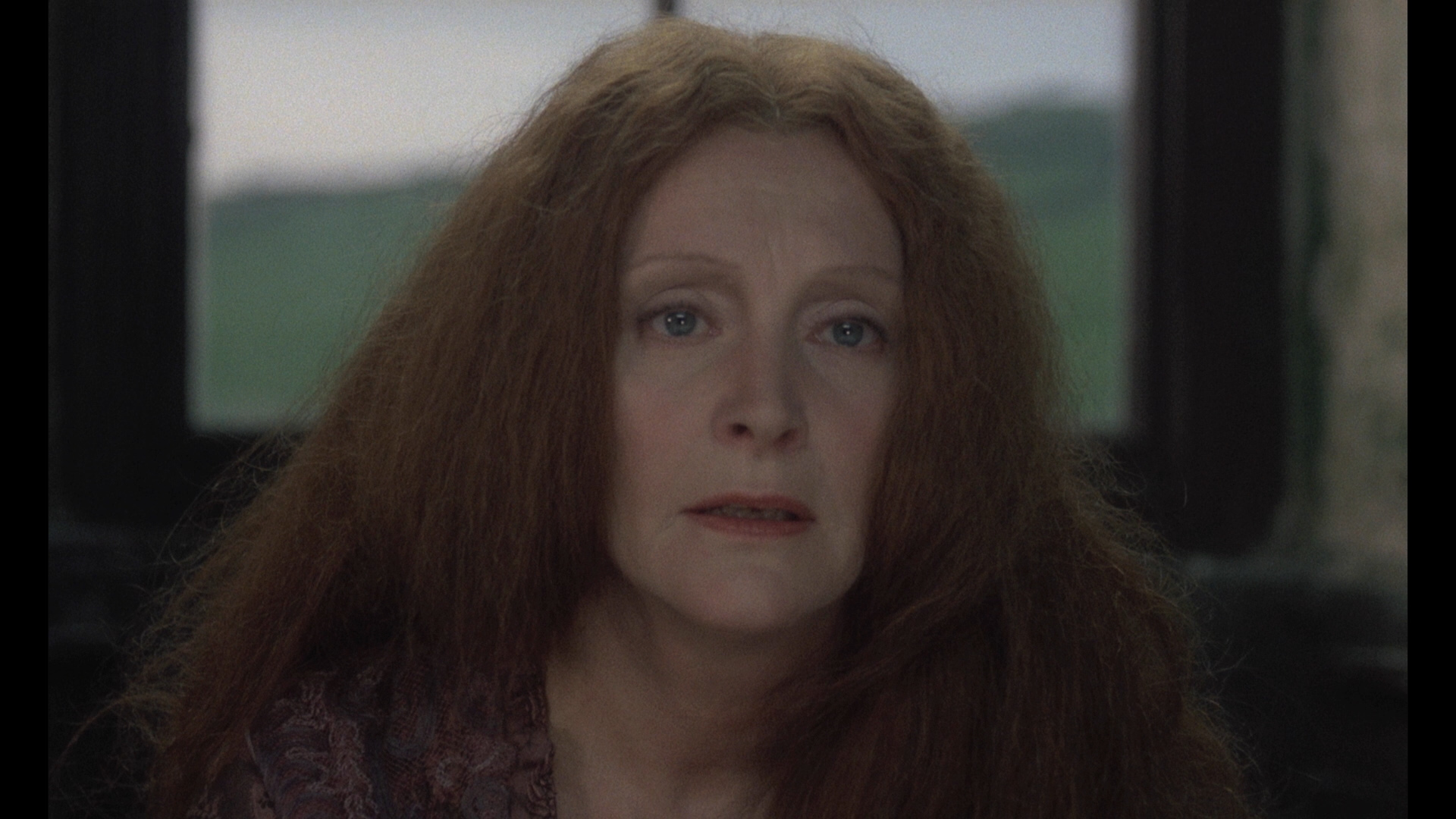
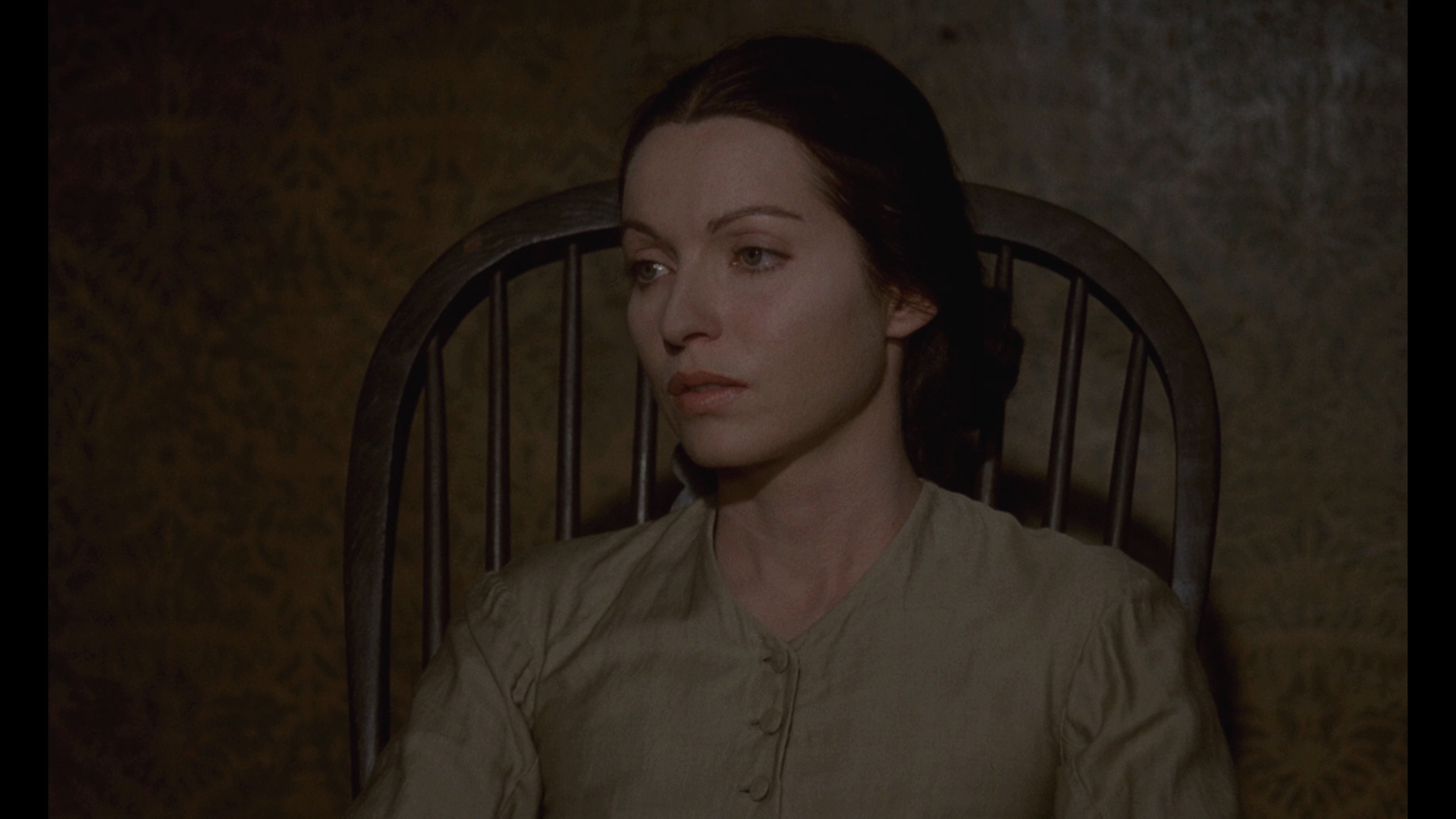
I have wanted to watch “The Bronte Sisters” for a rather long time. The fact of starring of my favorite French actresses – Isabelle Huppert and Isabelle Adjani – was not the last factor in my desire. Finally, I got hold of the Blu-ray edition. I have decided to postpone the watching and read the books of the Bronte Sisters.


The history of cinema knows many adaptation of books of the Brontes, with Wuthering Heights and Jane Eyre are being the most favorite. On the other hand, there are too few adaptations of the Brontes family.

Life appears to me too short to be spent in nursing animosity, or registering wrongs.

Sadly, I am not acquainted with the acting of Marie-France Pisier. This “ignorance” made a surprise more pleasant. Charlotte Bronte is a ultimate Jane Eyre: mature, reasonable and responsible. A quote from the book of G.K. Chesterson perfectly describes Charlotte: her heroine is the commonplace spinster, with the dress of merino and the soul of flame".


Charlotte Bronte, as Jane Eyre, has to sacrifice the personal happiness. After the death of her aunt and father's illness, Charlotte was obliged to become the head of a family. She, as her fictional alter-ego, was not broken by this and Charlotte gave us a pleasure of reading the other Brontes. The Gods gave Charlotte a privilege of longer live, acquaintance with great writers and marriage.

I see a repose that neither earth nor hell can break, and I feel an assurance of the endless and shadowless hereafter

While reading “Wuthering Heights”, I imagined only one actress as Catherine Earnshaw – Isabelle Adjani. Sadly, The Actress has not portrayed Catherine, but she morphed her in the image of Emily Bronte. The spectators, who got used to the “burning” Adelie Hugo and Camille Claudel would be surprised to see Adjani into this, at first sight calm role. During the film, Isabelle Adjani unleashes the internal fire of Emily.


When “Wuthering Heights” were first published a lot of critics thought that the writer was a man. Isabelle Adjani showed the crossing of masculine and feminine identity in Emily – dressed in a male's outfit to walk the grey fields; even some men say to her that she should be born as a man. Emily Bronte was the hideous and shy woman, but her seldom outbursts were like the northern wind. She feels the most sincere feelings towards her brother and his death was one the main causes of her passing away.

I began this book with the intention of concealing nothing, that those who liked might have the benefit of perusing a fellow creature's heart”

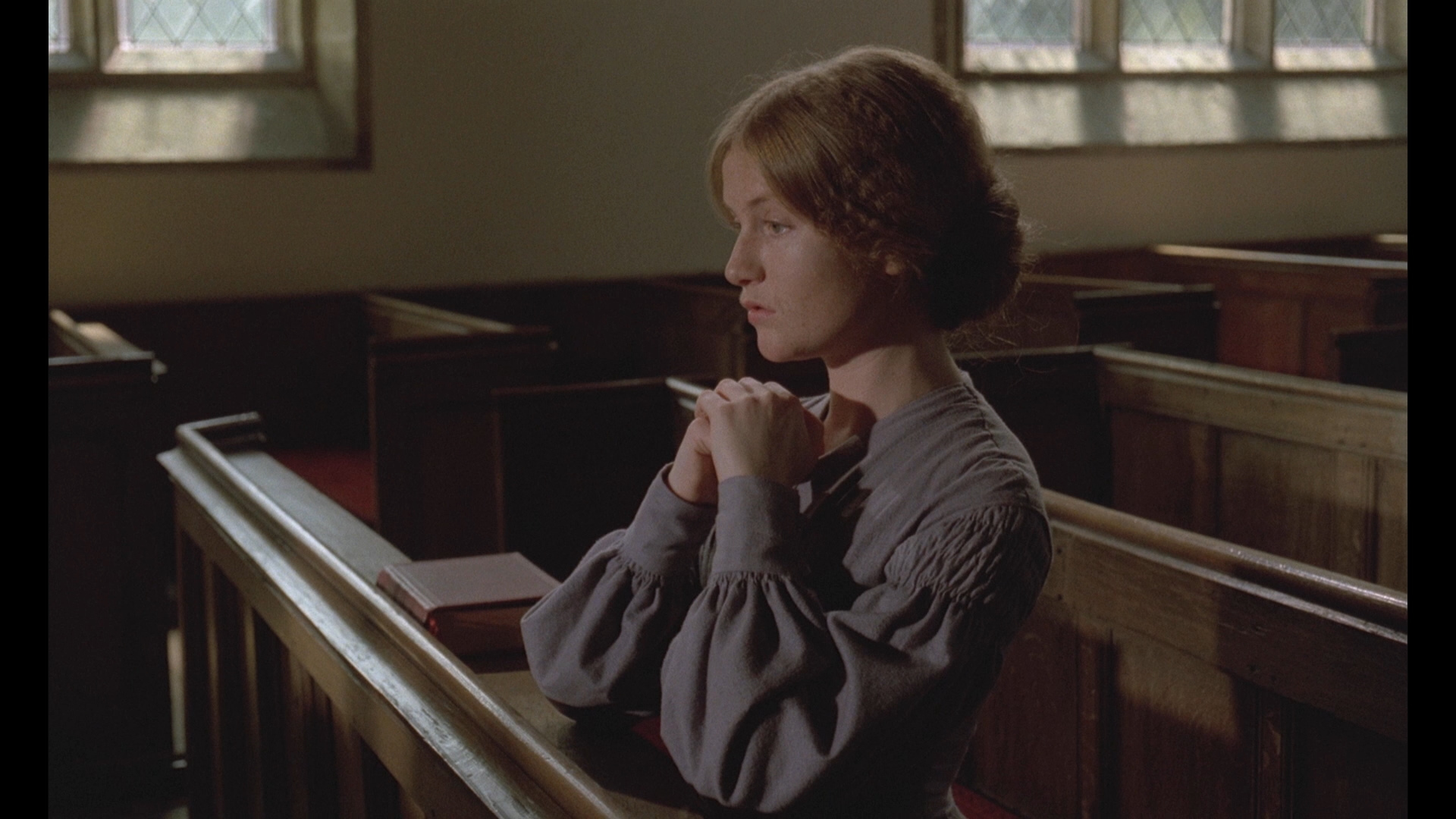
The typical spectator would associate Isabelle Huppert with Erika Kohut and other “prostitutes, murderers, sadomasochists, fetishists and lesbians” (plagiarizing from one Russian web-site). The Actress played this parts with equal brilliance, but if you do a more careful research, you would find brilliant “normal” roles. Anna Bronte captures the text of Agnes Grey.


In 1977, Isabelle Huppert played in “The Lacemaker” and you would find the parallels between Pomme and Anna Bronte. As Pomme, Anna Bronte is a sweet, naive and sincere girl. The youngest Bronte works as a governess to cruel children and parents, who treats her as a slave. Despite all human and physical dirt, Anna keeps her spiritual purity. She is the only person, who finds a common language with Emily; her death breaks her.

...for it seemed as if all joy had vanished from the world, never to be restored"

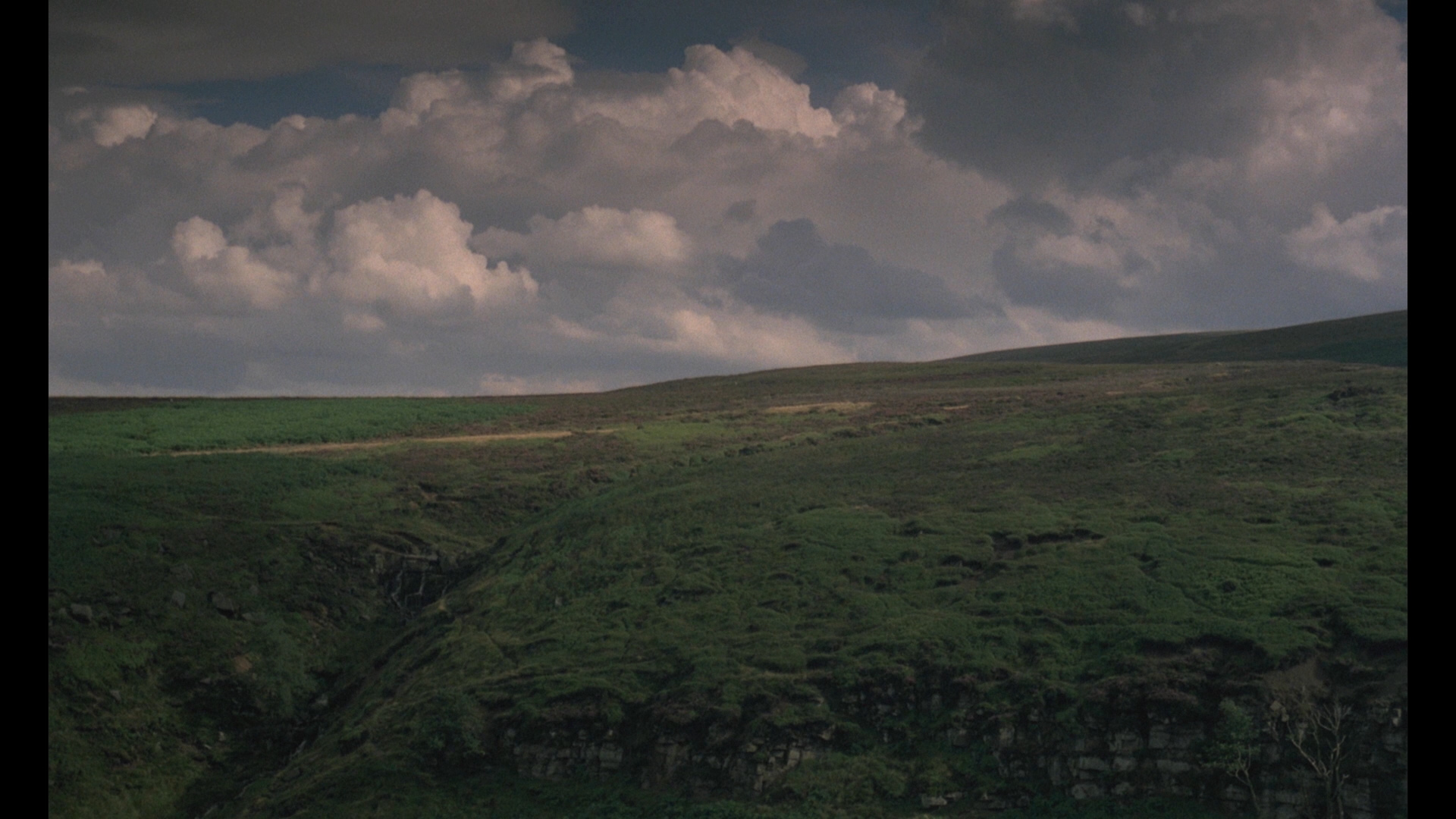
The visual side of The Bronte Sisters reminds us of Barry Lyndon. As Stanley Kubrick has portrayed the XVIII-century England, The Bronte Sisters depicts Northern England of the XIX century. Andre Techine, along with Bruno Nuitten, showed a bleak and depressive Yorkshire: strong winds; snow; gray sky and dirt. The one could understand the basics for Wuthering Heights by wathcing this film.


The Bronte Sisters is a sincere film with some great acting. Sadly, back in 1979, this film was eclipsed by Apocalypse Now; now you could fully appreciate this film.

9/10


Sunday, March 29, 2015

Indochine

In our youth we thought the world consisted of inseparable things: men and women; mountains and plains; humans and gods; Indochina and France...

The longest addition to Apocalypse Now Redux is a sequence when the crew have discovered a French rubber plantation. Despite a fact, that the First Indochina War has finished more than ten years ago and Vietnam is an independent country; the French family will defend this frontier until the last man dies. I have watched Apocalypse Now for several times and The French scene was always my favorite. That is why, I have decided to “fill the gap in my education” and watch Indochine.

In the French Indochine, Eliane Devries adopts a young girl from the royal dynasty called Camille. Because of that, the Devries Planation becomes one of the largest into the Indochinese Peninsula. After ten years, Eliane raises Camille as her own daughter and her plantation runs a huge profit. At the same time, Eliane starts an affair with young naval officer called Jean-Batiste. Everything ges as usual, until Jean-Batiste saves Camille from terrorist attack and they fall in love. Eliane tries to protect Camille and has Jean-Batiste transferred to a remote base. Camille is quickly engaged to another Vietnamese noble and communist sympathizer called Tanh. Immediately after engagement, Camille, with consent of Tanh, escapes from Saigon and goes to the country to find Jean-Batiste.


The film depicts an idyllic colonial life: huge plantation; strict, but fair, Eliane, who never punishes her workers unfairly; peaceful coexistence of French and Vietnamese elite. Nevertheless, this idyll lasts only in the plantation and, to the limited extent, in Saigon. In the wider world starts out a revolution. The first revolutionaries starts out an arsons and sabotages; carries out assassinations of collaborators. Camille after escaping her “golden cage” sees the life of her country and radicalizes.

The French society shown as inert and incapable of preventing the mounting revolution. The only hero, who tries to prevent revolution, is a head of the colonial police Guy, but his work is constantly sabotaged by lack of cooperation from Army and Navy and the Popular Front's decision to liberate the political prisoners completely ruins his work.


Love plays the main role in a film. The one could say, that love plays a vital role in almost all events of Indochine. Love is a blessing and curse. Almost every major event starts with love: love of Eliane to her foster daughter; love of Camille to Jean-Batiste; love of Tanh, and then Camille, to the homeland. In the end, Eliane keeps a piece of the French Indochine in her grandson Etiene – the son Jean-Batiste and Camille – and her love to grandson symbolizes the love to the lost part of the world.

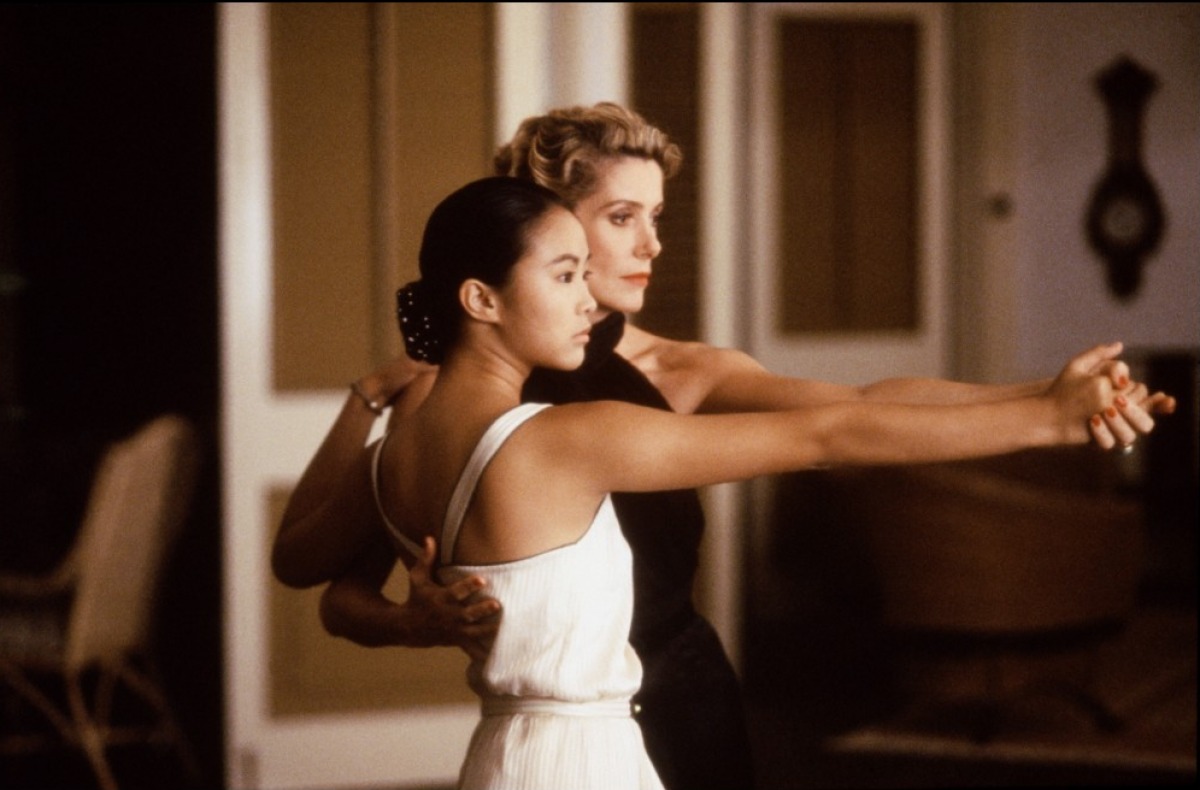
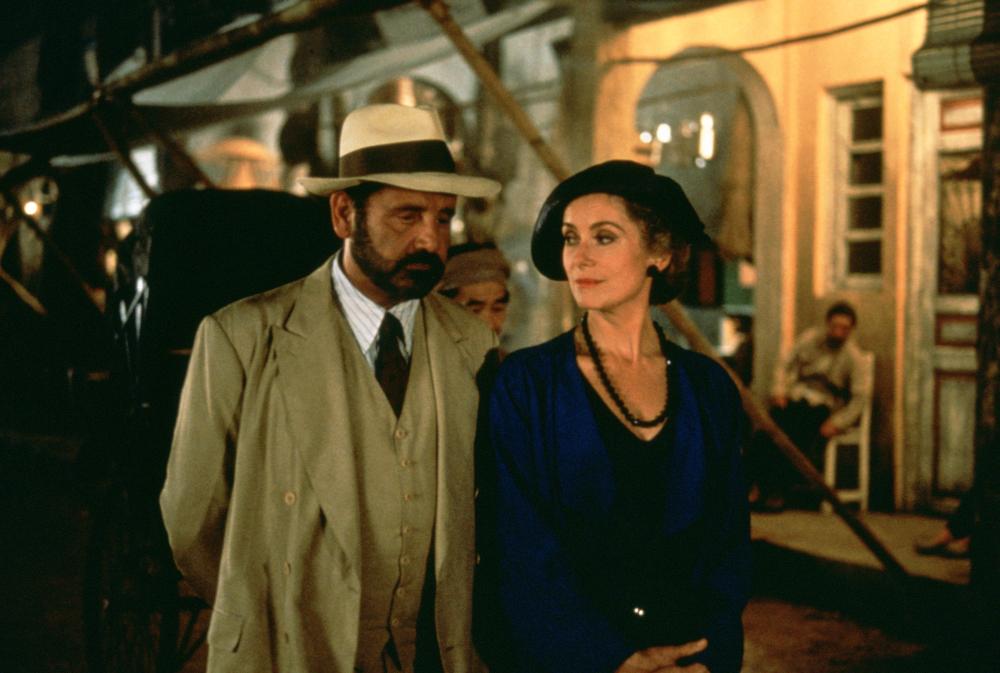
Catherine Deneuve, who used to represent Marianne, again depicts her country. At first, Eliane makes an impression of cold and arrogant woman, but “behind the curtain” there is passionate woman, who is capable of real love. She is capable of brave decisions, she could lead by example, but the historical events break her and she sadly becomes the remnant of the French Empire. Other actors were also brilliant: Vincent Perez as impulsive Jean-Batiste; Jean Yanne as cynical policeman Guy; the list goes on and on.


Indochine is a sad, sincere and beautiful film. I strongly recommend to watch it together with The Last Emperor.


9/10

Sunday, March 22, 2015

Polytechnique

If I have a boy, I'll teach him how to love

On the 6th of December, 1989, the life at The Ecole Politechnique was as usual. Nothing predicted a tragedy, until one one young man entered the classroom and shot into the ceiling...


The Ecole Politechnique Massacre was a societal shock. Until this day, there is a raging debate about the modus operandi of Marc Lepine. This film depicts the day of this shocking tragedy.

The director took a formalist approach in depicting the events of The Ecole Politechnique Massacre. Denis Villeneuve doesn't depict any theories or guesses about the modus operandi of the murderer; he merely shows one day in life of students of The Ecole Politechnique. By using this approach, the director follows the cinematography of Michael Haneke, especially his “glaciation trilogy” The Seventh Continent”, “Benny's Video”, «71 Fragments of a Chronology of Chance”).


The film starts with murder of a female student, who stands near the copy machine. Then, the director gets back to beginning of this day and depicts the day from a different points of view: The Murderer, The Female Student and The Male Student. Politechnique draws a clear parallel with a last film of the “glaciation trilogy” - «71 Fragments of a Chronology of Chance”. Nevertheless, compared with the film of Michael Haneke, all fragments of Politechnique are clearly connected from the beginning.

The director shows an indifference of the society, which led to this terrible tragedy. As everybody knows, you cannot change the history; nevertheless, during the film, there are many moments, when this crime could have been prevented or stopped. Anyway, this terrible crime was committed and, in my opinion, the society takes a larger part of blame for it. It were not the horror films, the violent computer games or some psychological or some other societal theory, it was the society as the whole.


Politechnique is a film which makes you think. This tragedies are happening again and again, but we treat them, mostly indifferent, hoping that it will not touch us.


7/10

Tuesday, March 10, 2015

L'important c'est d'aimer

The Love in the Gutter

Andrzej Zulawski has never made the so-called “normal films”. The Director has turned an over-the-top family drama into the mix of horror, parable and philoshopic film essay (Possession); stirred an erotic film with europop soundtrack by a loose adaptation of Possessed, political thriller and drama (La femme publique).

Servais Mont, a photographer, is forced to make pornographic photos in order to pay for his father's debts. One day, he sneaks into the shooting of a third-rate erotic film to make a few photos of a third-rate actress Nadine Chevalier. Servais falls in love with Nadine and he borrows $20,000 from gangsters in order to buy Nadine a part in the avant-garde version of “Richard III”.


First of all, Andrzej Zulawski has made film about love, which is sincere and selfless. The love story begins in a disgusting environment – shooting of a second-rate erotic films, animalistic pornographic copulations, dirty rooms. The Director makes a great use of comparison between real and fake love. Every pornographic photoset is lifeless and doesn't have any beauty. On the other hand, every eye contact between Servais and Nadine is full of despair, suffering and love.

Along with Jules et Jim author, Andrzej Zulawski uses the love triangle scheme. Nadine is married to Jacques – an infantile cinefile, who lost all passion for life and incapable of physical love, but he dragged her out of the misery. The side of the triange is Jacques, who tries to win love of Nadine. Nothing lasts forever and one of the sides has to make a painful choice.


Romy Schneider sleeps, eats and breathes Nadine Chevalier. A woman with a cheap prostitute's make-up, who is forced to play in erotic films. She's torn apart between Servais, for whom she is falling in love, and her husband Jacques, to whom she has moral obligations. Jacques Dutronc as inert Jacques, who perfectly understands his position as a clown and who suffers from incapability to give Nadine love and tenderness, Klaus Kinski in a stunning supporting role as half-mad Karl-Heinz.


L'important c'est d'aimer” is one of the most sincere love stories, The French debut of Andrzej Zulawski doesn't “blow brains out”, as Possession does, but it touches the most hidden parts of your soul.


10/10

Sunday, March 1, 2015

Camille Claudel 1915

Whom the gods love die young

In 1913, Camille Claudel, with the consent of her brother Paul, was admitted to the mental institution. Lacking the possibility to sculpt, she spends the days yearning for seldom visits of her brother.

First, the one should understand that «Camille Claudel» and «Camille Claudel 2015» could not be compared. The only three thing which unites them are those: figure of Camille Claudel; two great actresses for the main role and that the late film, in some aspects, continues the first one.

The author shows a fading Camille Claudel. Every day in the mental institution nails the coffin of her physical and artistic life. The spectator should answer the main question – does a mental condition of Camille Claudel deserves a life incarceration in the mental institution?


Juliette Binoche naturally portrays Camille Claudel. The Actress, by using a minimum of artistic expression, showed the fading of all hopes and aspirations of a great artist. In the end, there is only a shell of once great and beautiful Camille Claudel.

The mental institution depicted as a hell, which destroys people. Bruno Dumont, in line with Robert Bresson and Michael Haneke, uses the minimalistic and realistic attitude in portraying the institution – mad women with rotten teeth; cold rooms; old female monks as guardians.


Paul Claudel, along with Augustus Rodin, is an evil genius in the life of Camille Claudel. Rodin made Camille mad; Paul condemned her to a life imprisonment. Paul Claudel depicted as a stern religious fanatic, who punishes Camille for her sins.

«Camille Claudel 1915» is a hard drama about mental disintegration. It is hard to watch, but this film will certainly impress you.


8/10