Showing posts with label 1979. Show all posts

Friday, January 3, 2025

«Operación Ogro» (1979)

Anatomy of a Perfect Political Murder


1973, an ailing Caudillo Francisco Franco still has a firm grip on Spain. He wants to ensure the durability of Francoism and makes the first step – appoints Admiral-General Luis Carrero Blanco as the Spanish Prime Minister. Caudillo plans to make Admiral as his successor and the latter is accepted by the US and by the Francoist functionaries. So, it is quite possible that Spain would remain a dictatorship for many years. Still, on the 20th of December 1973 Admiral was assassinated by a streetside bombing and the dictatorship was not able to recover from it…

Francisco Franco was a ruthless general, who didn’t hesitate to order bombing Spanish cities into submission. He was wise enough not to engage his country directly into the Second World War and he was able to cash on this, so after the war Caudillo won the support of the United States. Additionally, Franco wasn’t as war hungry as Portuguese dictator Somoza and the former was able to steer Spain into relative economic prosperity.


On the surface, Spain of 1973 was a successful European country and even the regime began to mellow a little bit. Madrid was full of happy shoppers and tourists, and the United States were giving much needed political, military and economic assistance.
Nevertheless, it was only the beautiful cover for a brutal regime which still tortured and oppressed people and tried to erase certain ethnic groups (such as Basque and Catalan).

Political terrorism will always be a controversial issue. 1970s were the golden age of political terrorism in Europe. Spain was different from Italy and Germany in that it was a real oppressive dictatorship. Is it ethical to kill an oppressor extrajudicially? The answer is yes only in the case when there are no other means to punish him (if you want another historic example – check the assassination of Reinhard Heydrich in 1942).


The Director takes a nuanced approach to this controversial issue. He agrees that it was necessary to assassinate Luis Carrero Blanco, but he makes a very important point that the violence should be renounced after Spain returned to democracy. He draws a parallel between two heroes – Izara, who renounced terrorism in favor of political struggle, and radical Iker, who remained a terrorist. I think that the Director’s sympathies are with the former.

The film also raises an important issue – are those terrorists pawns in somebody’s political game? The Director doesn’t give a definitive answer and it’s up to the viewer’s decision. Additionally I recommend you to watch «Buongiorno, notte» about the kidnapping of Aldo Moro. The latter film clearly shows how certain terrorists are used for a political gain and discarded as a used ammo.


What about the attack itself? The Director depicts it as a meticulous job by professionals, who leave nothing for a chance. In addition, the film captures the paranoidal atmosphere of Madrid, where everyone can be a snitch and success is not guaranteed at all. So, don’t expect James Bond styled villains, those people are quiet and unpretentious, who want to teach a harsh lesson to the oppressive state.

Finally, «Operación Ogro» is a very good film which tackles the controversial issue with necessary subtlety. If you like political or historical films, don’t miss this one.

Sunday, April 12, 2015

Les Sœurs Brontë

""Wuthering" being a significant provincial adjective, descriptive of the atmospheric tumult to which its station is exposed in stormyweather"

I have wanted to watch “The Bronte Sisters” for a rather long time. The fact of starring of my favorite French actresses – Isabelle Huppert and Isabelle Adjani – was not the last factor in my desire. Finally, I got hold of the Blu-ray edition. I have decided to postpone the watching and read the books of the Bronte Sisters.


The history of cinema knows many adaptation of books of the Brontes, with Wuthering Heights and Jane Eyre are being the most favorite. On the other hand, there are too few adaptations of the Brontes family.

Life appears to me too short to be spent in nursing animosity, or registering wrongs.

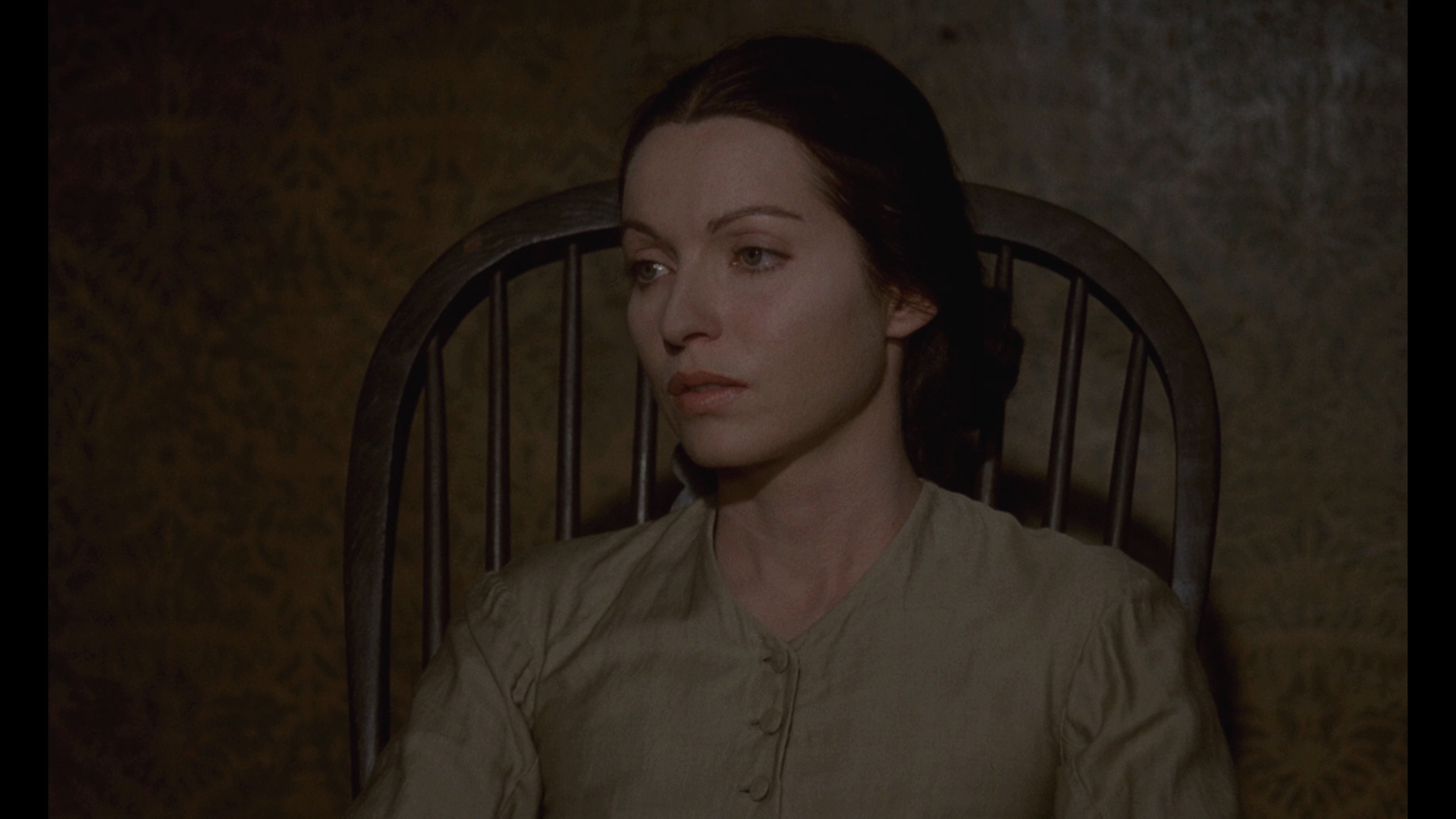
Sadly, I am not acquainted with the acting of Marie-France Pisier. This “ignorance” made a surprise more pleasant. Charlotte Bronte is a ultimate Jane Eyre: mature, reasonable and responsible. A quote from the book of G.K. Chesterson perfectly describes Charlotte: her heroine is the commonplace spinster, with the dress of merino and the soul of flame".


Charlotte Bronte, as Jane Eyre, has to sacrifice the personal happiness. After the death of her aunt and father's illness, Charlotte was obliged to become the head of a family. She, as her fictional alter-ego, was not broken by this and Charlotte gave us a pleasure of reading the other Brontes. The Gods gave Charlotte a privilege of longer live, acquaintance with great writers and marriage.

I see a repose that neither earth nor hell can break, and I feel an assurance of the endless and shadowless hereafter

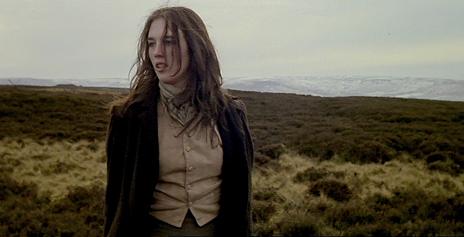
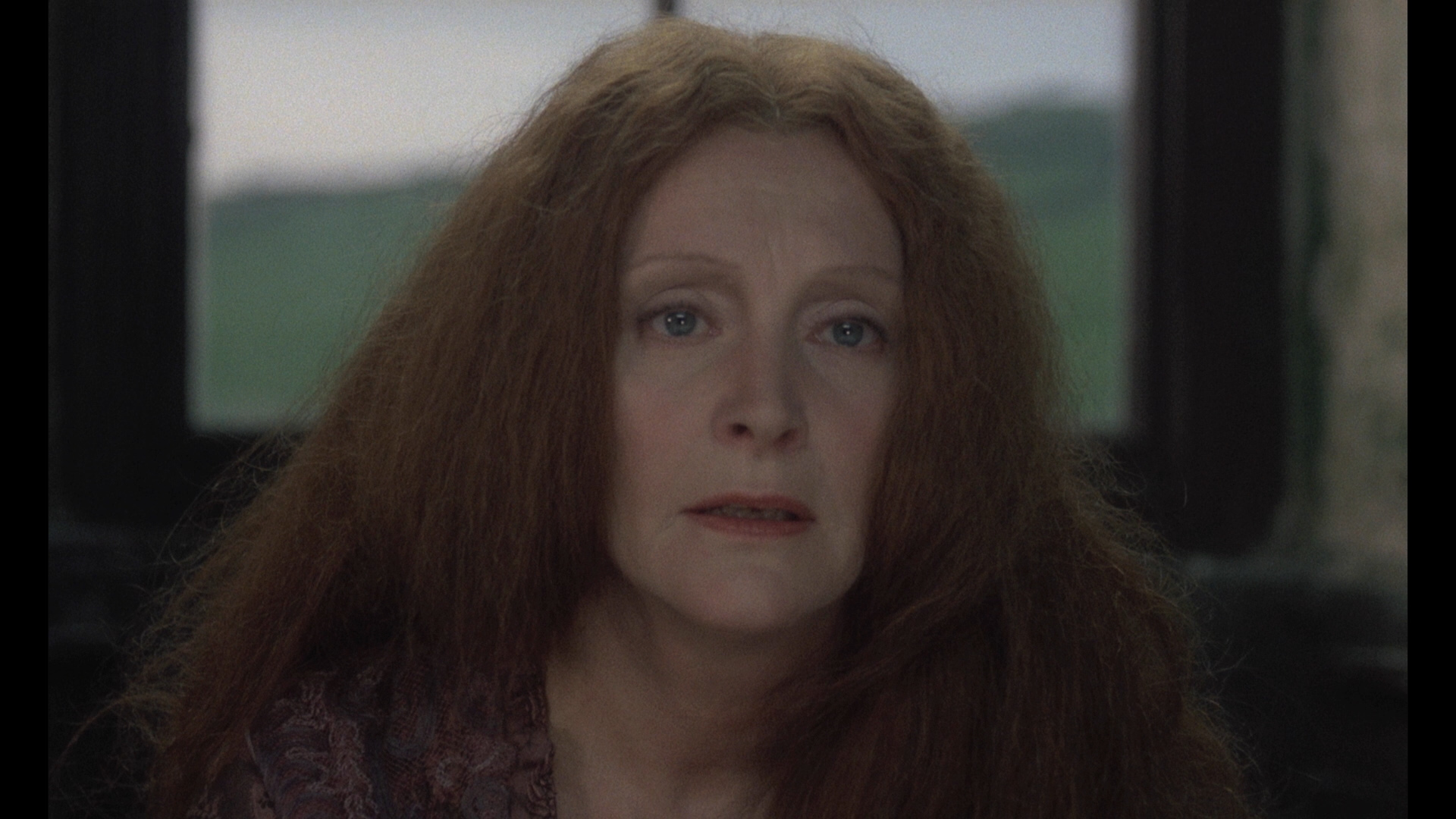
While reading “Wuthering Heights”, I imagined only one actress as Catherine Earnshaw – Isabelle Adjani. Sadly, The Actress has not portrayed Catherine, but she morphed her in the image of Emily Bronte. The spectators, who got used to the “burning” Adelie Hugo and Camille Claudel would be surprised to see Adjani into this, at first sight calm role. During the film, Isabelle Adjani unleashes the internal fire of Emily.


When “Wuthering Heights” were first published a lot of critics thought that the writer was a man. Isabelle Adjani showed the crossing of masculine and feminine identity in Emily – dressed in a male's outfit to walk the grey fields; even some men say to her that she should be born as a man. Emily Bronte was the hideous and shy woman, but her seldom outbursts were like the northern wind. She feels the most sincere feelings towards her brother and his death was one the main causes of her passing away.

I began this book with the intention of concealing nothing, that those who liked might have the benefit of perusing a fellow creature's heart”

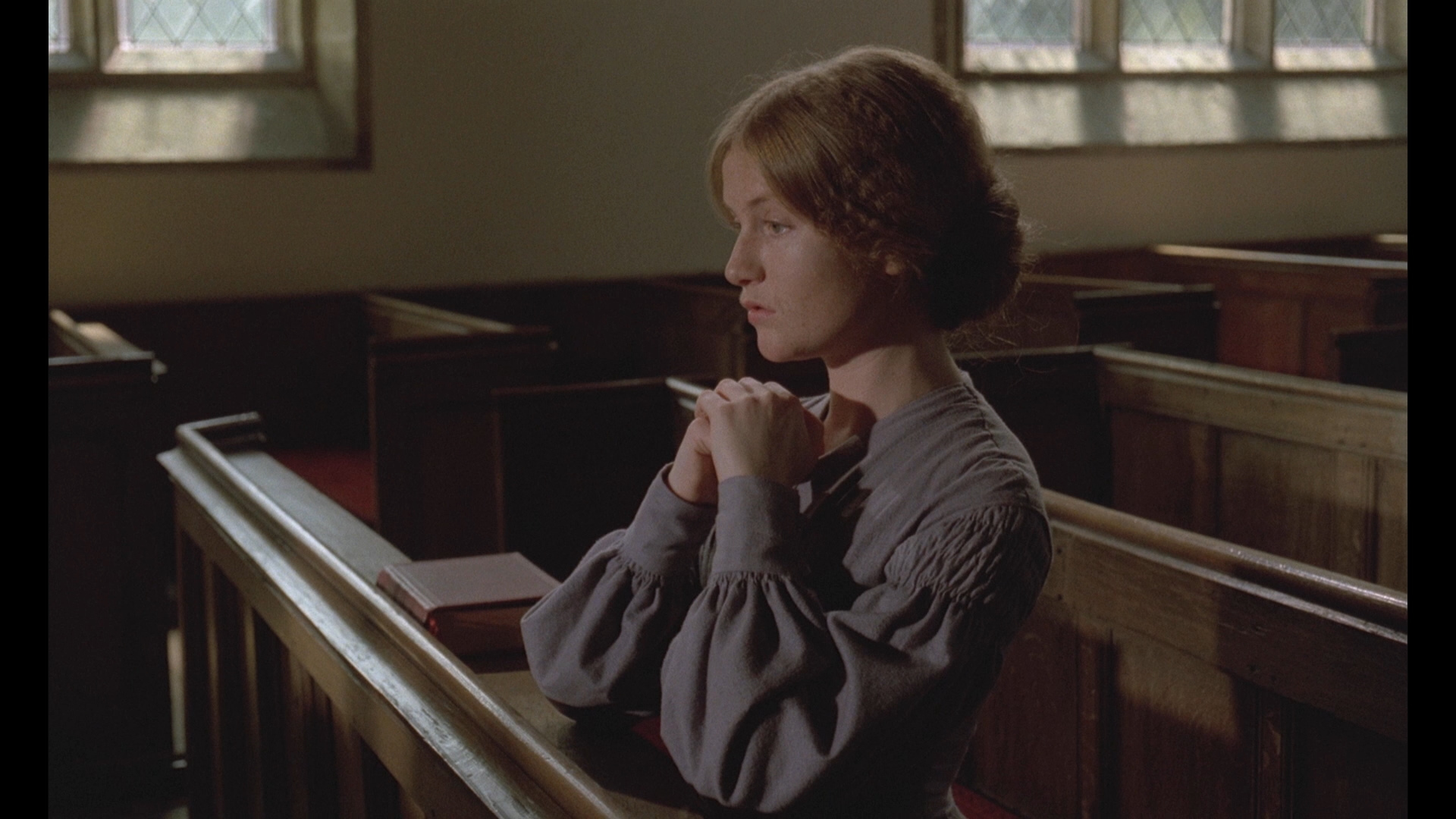
The typical spectator would associate Isabelle Huppert with Erika Kohut and other “prostitutes, murderers, sadomasochists, fetishists and lesbians” (plagiarizing from one Russian web-site). The Actress played this parts with equal brilliance, but if you do a more careful research, you would find brilliant “normal” roles. Anna Bronte captures the text of Agnes Grey.


In 1977, Isabelle Huppert played in “The Lacemaker” and you would find the parallels between Pomme and Anna Bronte. As Pomme, Anna Bronte is a sweet, naive and sincere girl. The youngest Bronte works as a governess to cruel children and parents, who treats her as a slave. Despite all human and physical dirt, Anna keeps her spiritual purity. She is the only person, who finds a common language with Emily; her death breaks her.

...for it seemed as if all joy had vanished from the world, never to be restored"

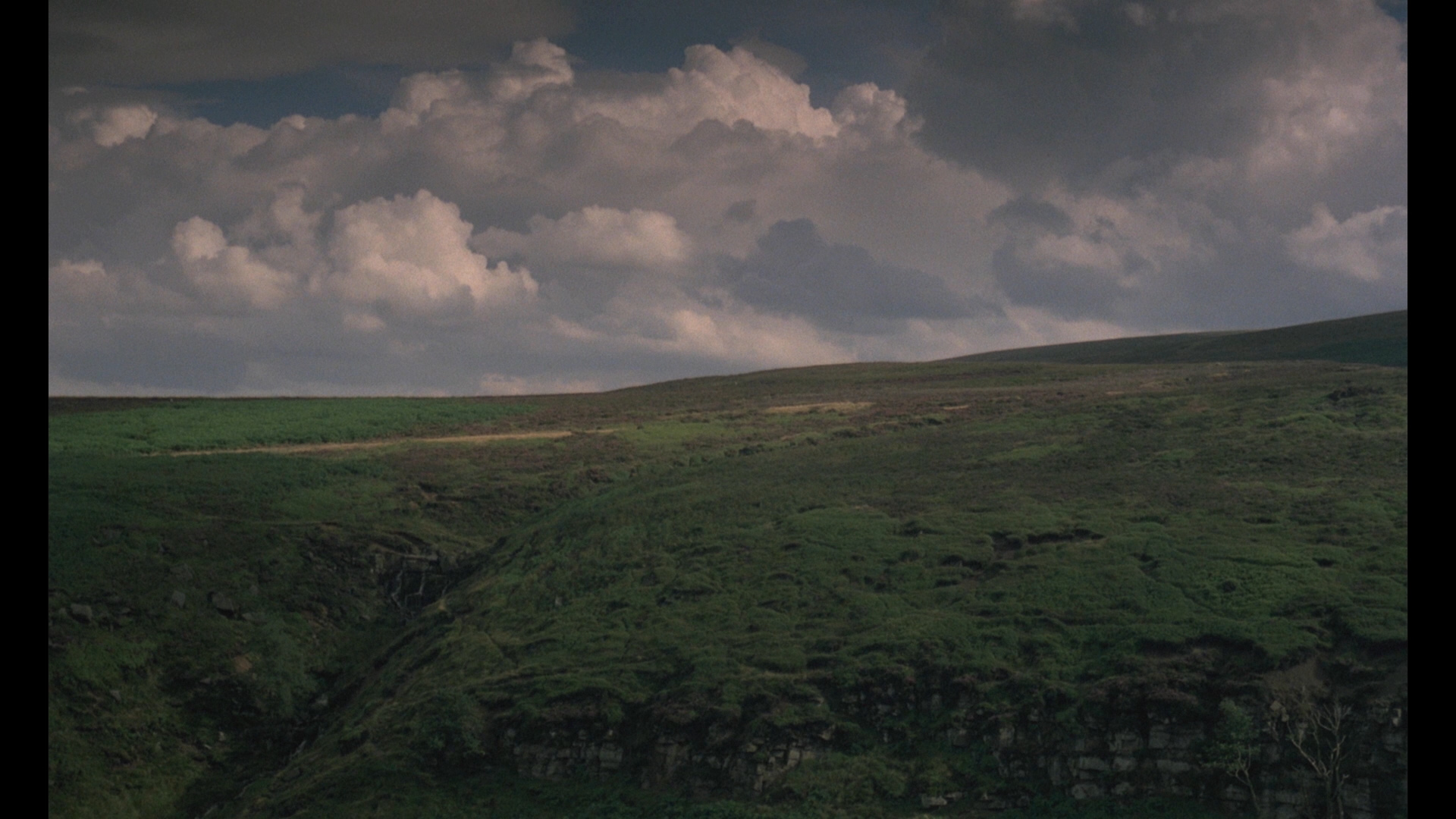
The visual side of The Bronte Sisters reminds us of Barry Lyndon. As Stanley Kubrick has portrayed the XVIII-century England, The Bronte Sisters depicts Northern England of the XIX century. Andre Techine, along with Bruno Nuitten, showed a bleak and depressive Yorkshire: strong winds; snow; gray sky and dirt. The one could understand the basics for Wuthering Heights by wathcing this film.


The Bronte Sisters is a sincere film with some great acting. Sadly, back in 1979, this film was eclipsed by Apocalypse Now; now you could fully appreciate this film.

9/10