Saturday, April 4, 2026

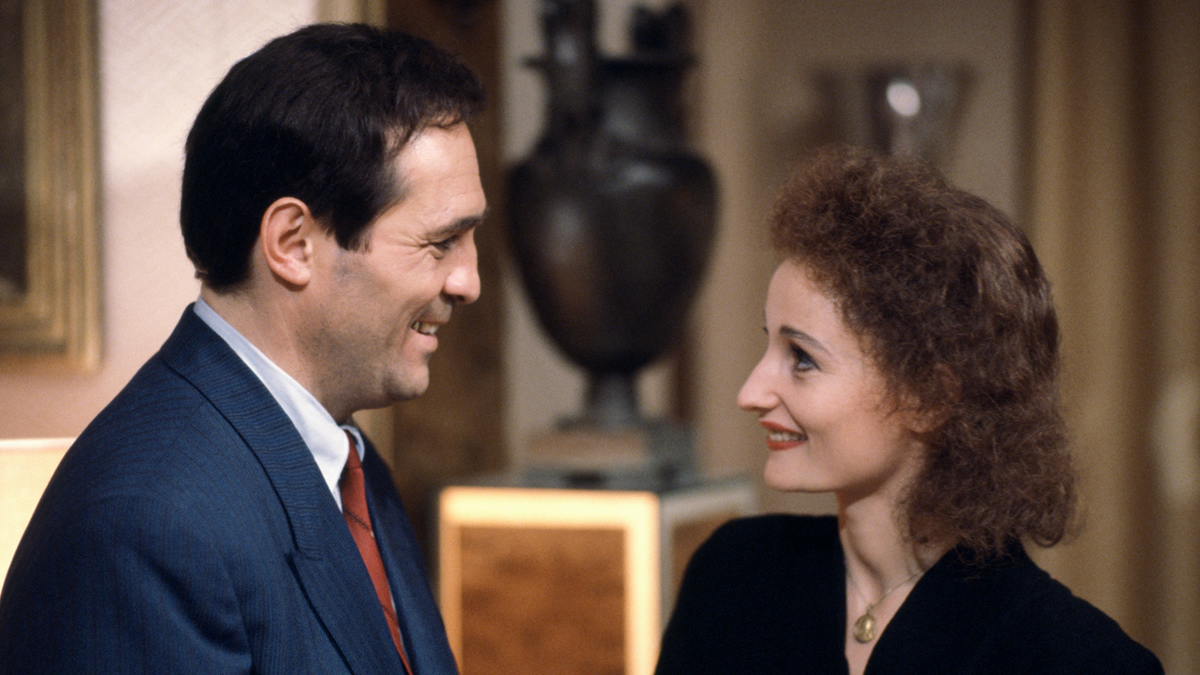
«Au Revoir Les Enfants» (1987)

 Stop acting so pious. There's a war outside

In 1974, Louis Malle released «Lacombe Lucien» - a film that made France to confront itself during World War 2. 14 years later, he decided to revisit his childhood memories and made «Au Revoir Les Enfants». What can we say about it?

Winter of 1943-1944. A descendant of a wealthy Parisian family Julien Quentin returns to his Catholic boarding school. Everything goes as usual except for arrival of three new students, including Jean Bonnet. The new boy raises suspicions because he does not eat pork and bathes separately from others. Maybe he is a Jew…

The Director portrays a life of a boarding school in occupied France. The students lead a relatively privileged life; they are fed well and does not fully understand and grasp the scale of raging war. They despise the German troops and collaborationists and repeat the propaganda clichés about filthy Bolsheviks. For them Jews are outsiders and, in reality, they do not care about them.

During Holocaust in France, the French society often distinguished between «Les Israelites» and «Les Juifs». The first category was considered French with a different surname and they were accorded compassion and possible protection; the latter category was treated, in the best case, with indifference and, in the worst case, they were handed to Gestapo.

As in «Lacombe Lucien», Louis Malle does not try to paint the history brighter than it was in reality. The French society is trying to lead an ordinary life and the worst among them are trying to profit from it or join the collaborationists. The film avoids simple caricatures, even in its portrayal of German soldiers.

The Christian theme played a prominent role in Nazi propaganda. The Nazis tried to portray the war as a noble Christian Crusade against godless Judeo-Bolshevism. Obviously, the Christian themes became compromised in the minds of certain Europeans, including students of this particular boarding school.

The children are not interested in boring sermons about compassion, charity and corruption of wealth. In reality, they should listen to it, because their teachers are living those values and not using them as a propaganda tool. One day they will understand it and it will haunt them for the rest of their lives. But what can children learn about courage, if their parents are passive? The answer is up to you.

«Au Revoir Les Enfants» is a haunting film about real Christian values and a genuine moral courage of a few. Watch it and think.

Saturday, February 21, 2026

«Un héros très discret» (1996)

 The most beautiful lives are those we invent

France between World Wars. Little Albert Dehousse admires novels about heroes. His mother claims that her late husband died for France in the First World War. This story is disputed by the neighbors, but who cares? When the Second World War broke out, Albert misses his chance to be a real hero. Still, he pretends to be a writer by plagiarizing other person’s work and, in process, wins over a beautiful girl. After the war, he goes to Paris and becomes a Resistance hero.      

The collective national unconsciousness always tries to clear out some painful or shameful episodes. The post-war France adopted the legend that the populace was actively resisting occupation and only a few renegades were collaborating. Therefore, many active collaborationists avoided prosecution by claiming that they were working for Resistance. Some of them were even able to occupy important posts in the French government.

Other people claimed that they were in Resistance in order to advance themselves in the post-war society. Albert Dehousse luckily places himself into collective rewriting of history. He starts out by appearing in newsreels with returning POWs and frequenting reunions of old resistance fighters. There he hears war stories and begins constructing his heroic biography. Albert is very successful and he is able to enter the circle of high-ranking persons.

Why this film was released in 1996, if the war ended 51 years ago? One of the reasons was that France was rocked by Maurice Papon trial. He was a collaborator who, among other things, organized deportation of Jews, but after the war he was able to escape prosecution by reinventing himself as a loyal Gaullist. He occupied many important posts, including Prefect of Police in Paris and Minister of Budget.

Of course, Albert was not complicit in any war crimes. He is portrayed as a person with a vivid imagination, who is able to successfully reinvent himself. The post-war France desperately needed a lot of new heroes and he was able to ride that wave. Only one day his heroic credentials will be put to a real test. Will he be able to pass that test? I will not spoil it.

The film captures well the contradictions of the French society. The film director inserts a lot of interviews with historians, writers and war veterans, and they all give a very confusing portrayal of Albert’s so-called heroic deeds. What about the hard truth? It is not very popular, if you able to reinvent yourself and make others to believe in it. Such Alberts were all over Europe, even in the Soviet Union.

«Un héros très discret» is a very good film about rewriting of history. Watch it and then read some real post-World War Two stories. I bet you, that that you will find that postwar Europe was full of Alberts - men who reinvented themselves and were believed because society needed to believe.

Saturday, February 14, 2026

«Il portaborse» (1991)

A Medieval Court in Modern Italy: Corruption and Patronage in Il portaborse 

Professor of literature Luciano Sandulli desperately needs money to fix his old house. His ghostwriting does not produce a lot of money but he secured a position as a speechwriter for the Minister of Industry Cesare Botero. This job can quickly fix all of his financial problems but Luciano understands that Cesare Botero is much more immoral and corrupt than everybody thought.

By the late 20th century, Italian political class was famous for its rampant corruption. As one commentator said about Italian Socialist Party “the convent is poor, but the friars are rich” and those words can be applied to Italy – country with lots of political and economic problems, but it’s governing class drove Ferraris and lived in mansions.


Cesare Botero reminds us of the Medieval feudal lord, who has to pay a token respect to the late 20th century values. He smiles on camera, takes part in television interviews and has to put himself up for the reelection. Nevertheless, the only thing that he cares about is enrichment. His people also get a share of profits, but it can be finished in a second. If the person compromises himself or stops being useful, he will quickly discard him as a used ammunition.

Luciano Sandulli is portrayed as a simple and decent man who suddenly became useful to the lord. At first, he is at the margins of corruption and he is able to enjoy the fruits of his new status. Still, one day he will need to take part in something very dirty in order to show loyalty to Cesare Botero. One of his top students already became corrupt lawyer, but will Luciano follow the same path or will he choose to remain human?

Still, this is not an American film, where one brave person can destroy the corrupt system. The Italian political system has lots of Cesare Botero who will always find a way to add an extra bunch of votes and who has many patronage jobs in exchange for favors. So, why bother yourself with truth, if it only leads to life in poverty, if you can stay loyal and useful to the lord and earn a lot of money in the process?

Nevertheless, the history can be unpredictable sometimes. In 1991, the Italian ruling class was invincible, but in the next year, they suddenly became vulnerable for prosecution. Despite that, the result was not very encouraging.

If you are interested in Italian political history – watch this story about a Medieval court in the late 20th century Italy. 

Wednesday, February 11, 2026

«Salò, or the 120 Days of Sodom» (1975)

All's good if it's excessive 

Jeffrey Epstein’s island continues to resurface in world media. People periodically rediscover that certain wealthy and powerful individuals recognize no limits in the pursuit of pleasure. The story is not new; it merely changes its setting. It was written by the Marquis de Sade in the eighteenth century and given cinematic form in the last film of Pier Paolo Pasolini («Salo, or the 120 Days of Sodom»).

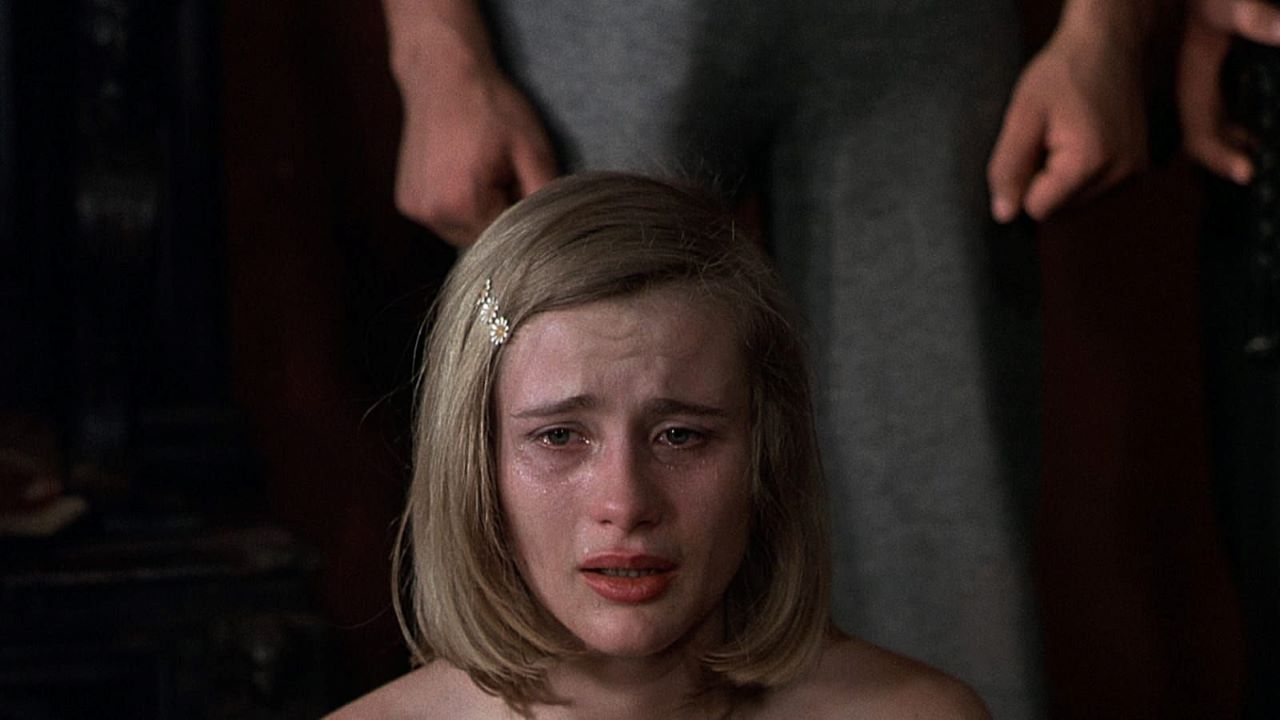
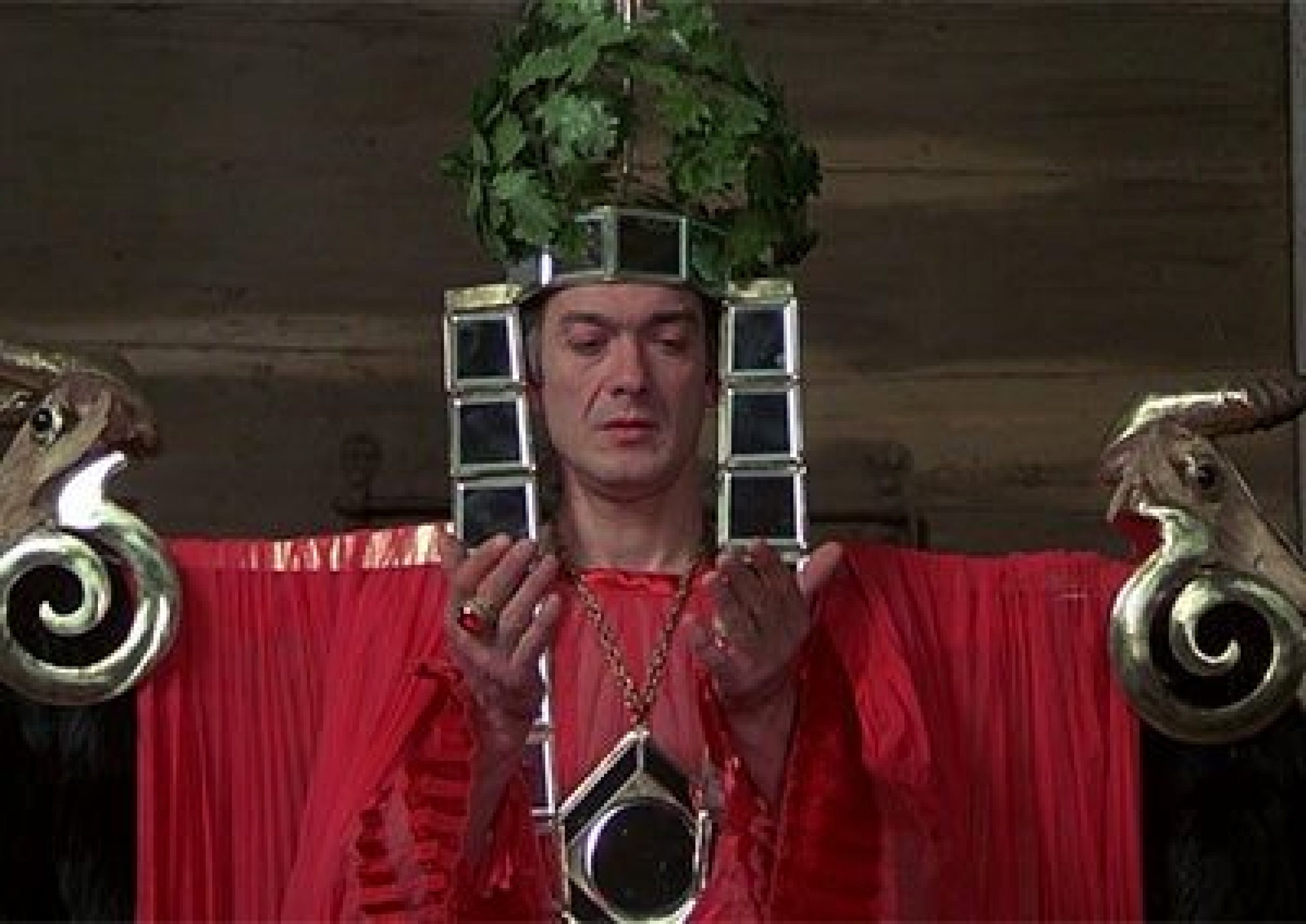
Set during the final days of the Republic of Salo, the film portrays the four figures of authority – the Duke, the Bishop, the Magistrate, and the President – who sense that the Republic’s days are ending and they decide to grant themselves the final indulgence. They kidnap nine young men and nine young women and confine them in a secluded villa. There, four old prostitutes tell elaborate stories to stimulate the imagination of the masters. After that, the structured and ritualistic degradation commences.

The totalitarian system completely reorganizes reality and reduces a human being to a mere part in the system. Human beings are stripped of names, identities and even grammatical recognition. They are merely «it» and even God is forbidden. Four impeccably dressed men have pushed Him from His throne.

At certain moments, the humanity can be restored to a certain person. Still, it is granted at the mercy of the Masters and it can be taken back in a second. These rights are not inherent; they are granted at the Masters’ discretion.


Certain resistance exists, but is brief and annihilated without spectacle. Most victims attempt a different concentration camp strategy: survival through betrayal. They denounce each other in order to buy a few more extra hours of life. Totalitarian systems replicate themselves not only through terror but through the offer of minor elevation to a human status, but it means becoming an executioner.

In the final sequence, Pier Paolo Pasolini even dehumanizes the death. Executions occur without speeches or ideological proclamations. Screams are muted and we watch the process through binoculars. Their death looks like the destruction of worn-out furniture.


There is no place for justice within the world of «Salo». Some perpetrators may face consequences when regimes fall, but most others will quietly dissolve back in the civilian world. Their capacity to objectify and rationalize excess will not disappear after a political change.

Pasolini’s film is not for everyone. It repels and disturbs. Still, it is not about shock content – it is about what happens when power is insulated from consequence, when pleasure is detached from reciprocity, when human beings are treated as disposable components within a closed circuit of privilege.

It is precisely here that the parallel with Epstein becomes disturbing. In order to see this parallel, you need to watch the film and answer this question by yourself.

Saturday, November 15, 2025

«Bravo Two Zero» (1999)

 WORLD WAR II MOVIE SET IN 1991

The Gulf War, aka The Desert Storm, was one of the last high points of the collective Western World. In 1990, all of the major Western powers formed a coalition, joined by certain Arab states, and drove Saddam Hussein back from Kuwait.

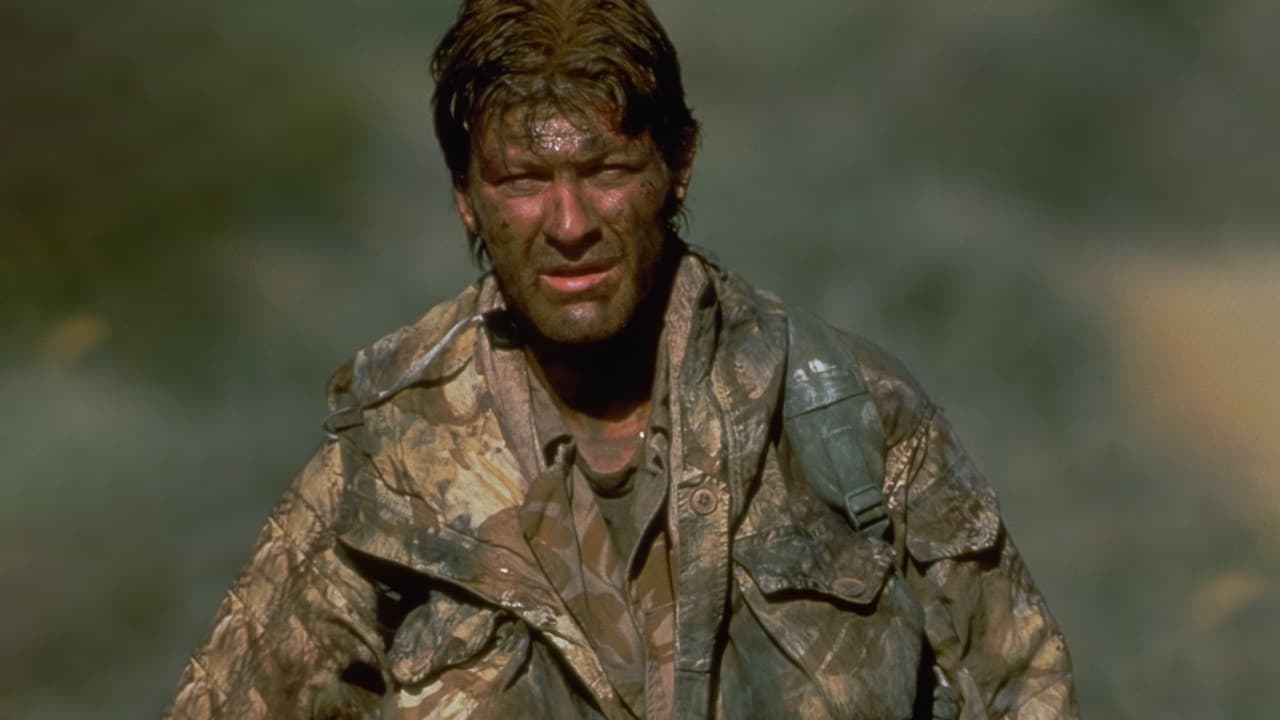
«Bravo Two Zero» deals with one of the episodes of this war – an eight-member SAS team was dropped into Iraqi territory to track Scud missile sites, so that Iraqis will not be able to attack Israel. They are elite soldiers, but the trouble soon starts kicking in – the radio is not working, the ammo is not unlimited and, the most important of all, the desert hides a lot of painful surprises for them.


During the beginning of the Gulf War, US President George H. W. Bush emphasized that this would not become another open-ended Vietnam-style war, and that troops would return home once the mission — liberating Kuwait — was completed. Additionally, the military were able to control the flow of information to the journalists, so the viewers were presented, mostly, with the state-approved positive images.

This gave the Gulf War the feel of a moral and justified war. That is why «Bravo Two Zero» has a clear World War II cinema spirit - the good guys are fighting in a just and moral war and they are seen as heroes by the general public. It is not like the Vietnam War film (i.e. «Platoon») where you feel the immorality or, at least, questionability of soldier’s actions.


Additionally, the film is not a high-budget American blockbuster, but it gives it the feel of authenticity. The soldiers are regular British blokes with funny accents; they cannot fire 200 rounds without reloading and, despite their superior training, they cannot hold off forever against Iraqi armor. Will they make it? Watch – and find out.

The film also captures the spirit of Special Operation Forces. Those guys are dropped deep behind enemy lines and from that minute they are basically fighting by themselves. Danger surrounds them everywhere and even if they are able to call in support, it will arrive not so fast and every extra minute takes away their chances of surviving this day.


So, in conclusion, let me say that given the current sorry state of the Western World, «Bravo Two Zero» is a refreshing look at the strong and resilient West of the past. Watch it – you will not be disappointed, of course, if you are not loony left! 


Monday, January 13, 2025

«Matador» (1986)

 Sex and Violence, Death and Silence 

An ex-matador Diego Montes has a paraphilia – he gets sexual gratification from watching female murders in the movies. He runs a bullfighting school and one of his students – religiously repressed Angel, - desperately tries to prove his manhood. The student tries unsuccessfully to rape a girl and, after that, he claims that he is guilty in a series of murders. The police commissioner is not convinced is that this neurotic kid is capable of such things, but is there any evidence to find the true murderer?

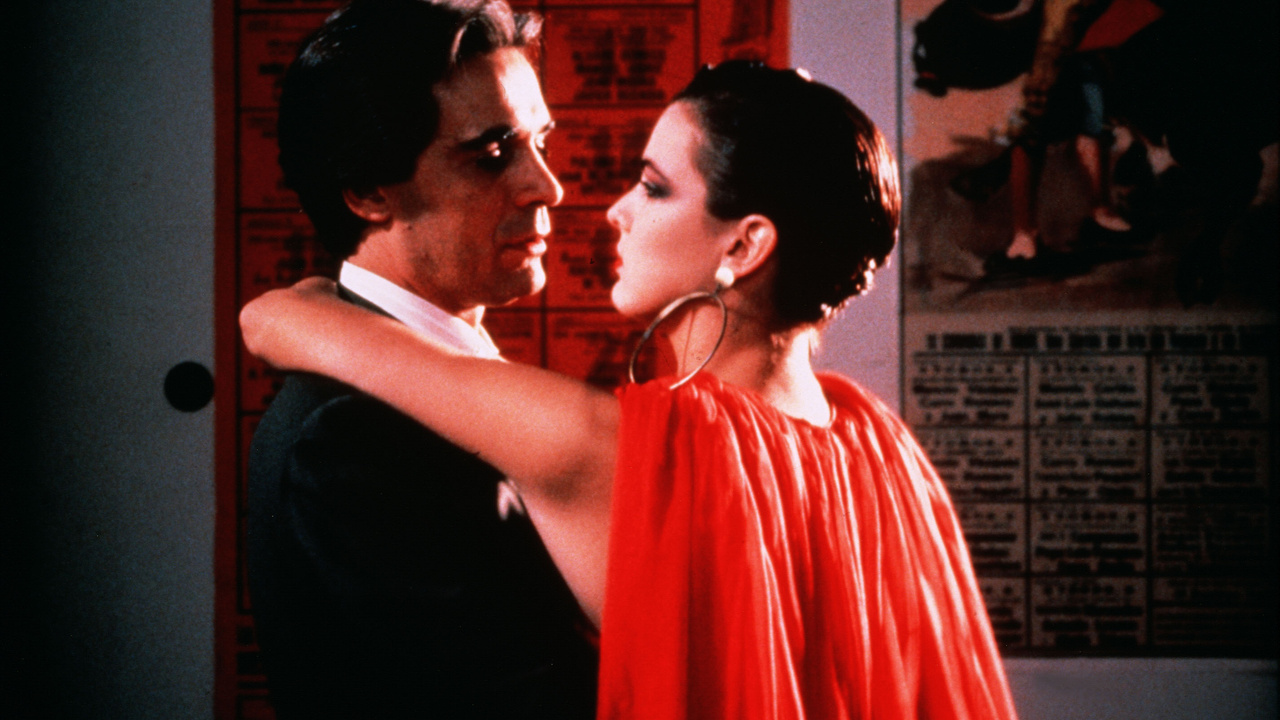
Red is the color which is associated with two things – sex and violence. The bullfighting is strongly associated with the red muleta, which is used during the final stage (the tercio de muerte or «the third of death»). Skilled matadors are rich, famous and desired by women. Nevertheless, the legalized ritual murders of animals and adrenaline addiction could seriously change the psyche of the matador and make them highly unsuitable for regular life.

Catholic teaching is strongly against pre-marital sex and promiscuity. Angel wasn’t lucky to be born with the religious mother, who repressed his sexuality and who is constantly controlling every aspect of his life. Still, the hormones, mixed up with the distorted psyche, makes an explosive thermonuclear cocktail. It surely exploded, but who is the true culprit behind those horrific murders? Watch and find the answer.

Media could sexualize the violence, especially in thrillers and horror movies. Pedro Almodóvar distorts the traditional cliches of Italian giallo movies. In his world, the attractive women are like bulls, who are running towards the red muleta of a dangerous person. Still, there is one unusual twist, like in the best giallos of Dario Argento. I am not going to spoil it; I hope you will be as pleasantly surprised as I am.

«Matador» is a good dark comedy about sex and violence in Spain of the 1980s. If you are not very impressionable or moralistic, then check out this film.

Thursday, January 9, 2025

«Emmanuelle» (2024)

 Mélodie d'amour chante le coeur d'Emmanuelle


There are films which will hardly impress the modern viewer, but they are very important in the history of the cinema. One of such films is the very first Emmanuelle by Just Jaeckin, which even got X-rating in the initial American release. Nowadays, this film is suitable for a kid, who graduated from the first grade in the elementary school.

There were numerous sequels and rip-offs, but most of them are not even worthy of googling. What about a remake? Not even one until 2024. How can you reshoot a film from an age, when the Sexual Revolution just started, and people were much more impressionable. Sounds funny, isn’t it? I think so too, but I have decided to satisfy my curiosity. Was it worth it?


No, absolutely not. The author completely lost the spirit of the original novel. The novel, if you are oversimplifying it, was about a woman who is discovering her sexuality in the Orient (Thailand). This time it’s about a woman who comes to Hong Kong to check the luxury hotel and who just gets laid by some irrelevant persons. Sounds interesting or tempting? Absolutely not.

What about beautiful scenery? The original «Emmanuelle» movies always took you for a ride in some beautiful parts of the world (Thailand, Hong Kong, Seychelles, Brazil). This time we see only the lobby and the rooms of the luxury hotels and some generic streets and cafes. Yes, you could watch beautiful landscapes on YouTube, but if you want to remake a film, at least take something good from the original (it’s beauty).  


Actress? Silvia Kristel wasn’t a bombshell, but she captured the childish naivete and innocence of Emmanuelle, who becomes a clay in the hands of her husband Jean and Mario and turned into a devotee of free love. Noemie Merlant doesn’t radiate anything, and all her scenes only make you yawn from boredom. I think Naomi Watts would have been better Emmanuelle; she got much more spark.

Sex? Of course, modern viewer have seen everything in the high school, but nothing beats the sensitivity of the first four Emmanuelle films. In this film sex is boring and mechanical and it feels like almost real sex in night club’s bathroom. We want to watch these films for some escapism, and we need some good music for it, which is also absent in the film. Additionally, there is no playfulness in it and the film tries to present its story in serious way or maybe the director hasn’t realized what kind of story she wanted to give.


The tagline for original «Emmanuelle» was «X was never like this». It perfectly captured the spirit of the film, which was, despite its adult film rating, a playful and beautiful story without excess on physiology, and you could watch with your girlfriend. The new «Emmanuelle» failed in everything, and you could watch it with your girlfriend only in one case - if you are both suffering from insomnia.

Better check out «Supersex» - a funny Netflix-series about Rocco Siffredi.

Wednesday, January 8, 2025

«The Belly of an Architect» (1987)

 Everything’s permissible for art

An American architect Stourley Kracklite and his wife Louisa are coming to Rome, and the former is entrusted with organizing of exhibition about the XVIIIth century French architect Etienne-Louis Boullee. Stourley is excited about this possibility, but the world is starting to crumble around him, and it all starts... with severe stomach pains. What not-so-known American architect can do about it.

Rome, without any exaggerating, is the cradle of the Western civilization. It has numerous museums, statues, archeological digs, exhibitions and etc., and millions of tourists come to visit them annually. The artists also draw their inspiration from Ancient Rome. Nevertheless, what can we say about modern Rome? It’s like almost any other big city is the city of blood, meat and money.


Monumental art is always funded by big money and history knows many examples when this money is not very clean. Just remember that the Renaissance artists were funded, among other things, by the corrupt cardinals and by the shady bankers. Cinema also could be financed by dirty money or used for money laundering; it even concerns such films as «The Wolf of Wall Street» (check 1MDB scandal).

Additionally, history is full of the artists, who were not very revered by the contemporaries, but whose work became influential for the next generation of the artists. Their legacy is presented in professional books, but the general audience has a very limited recollection of their life and work. Still, from time to time even such artists are getting exhibitions, and the public are introduced to their work.


The film draws a parallel between the vocations of architect and film director. Among other things, both vocations are requiring knowledge of the technical stuff (strength of materials for architects and physics of sound for film directors), people management skills and, the most important of all, they require substantial financial backing. In this aspect, struggling architect Stourley Kracklite is akin to struggling film directors from such films as «8 1/2», «The Public Woman» and « Beware of a Holy Whore».

Every artist has a specific old master, who inspires, and the latter’s work is heavily referenced in the former’s creative activity (Fritz Lang for Jean-Luc Godard, Dario Argento for Nicolas Winding Refn). In the course of the movie, Stourley Kracklite becomes so obsessed with Etienne-Louis Boullee that he thinks that his life is beginning to parallel the life of the great predecessor.


As it was written before, architecture and cinema are very expensive and «The Belly of an Architect» captures the constant clash between money and pure art. The history knows a lot of examples when the creation was taken from the author and changed to the point of absolute noncompliance with the original vision, but it still retained the author’s name (the first version of «Heaven’s Gate» or the American cut of «Once Upon a Time in America»). Will Stourley Kracklite be able to preserve his vision? Watch and find the answer.

Summarizing all of the above, «The Belly of an Architect» is a beautiful and mesmerizing portrait of artist’s struggle in the Eternal City. I recommend you to watch it.

Friday, January 3, 2025

«Operación Ogro» (1979)

Anatomy of a Perfect Political Murder


1973, an ailing Caudillo Francisco Franco still has a firm grip on Spain. He wants to ensure the durability of Francoism and makes the first step – appoints Admiral-General Luis Carrero Blanco as the Spanish Prime Minister. Caudillo plans to make Admiral as his successor and the latter is accepted by the US and by the Francoist functionaries. So, it is quite possible that Spain would remain a dictatorship for many years. Still, on the 20th of December 1973 Admiral was assassinated by a streetside bombing and the dictatorship was not able to recover from it…

Francisco Franco was a ruthless general, who didn’t hesitate to order bombing Spanish cities into submission. He was wise enough not to engage his country directly into the Second World War and he was able to cash on this, so after the war Caudillo won the support of the United States. Additionally, Franco wasn’t as war hungry as Portuguese dictator Somoza and the former was able to steer Spain into relative economic prosperity.


On the surface, Spain of 1973 was a successful European country and even the regime began to mellow a little bit. Madrid was full of happy shoppers and tourists, and the United States were giving much needed political, military and economic assistance.
Nevertheless, it was only the beautiful cover for a brutal regime which still tortured and oppressed people and tried to erase certain ethnic groups (such as Basque and Catalan).

Political terrorism will always be a controversial issue. 1970s were the golden age of political terrorism in Europe. Spain was different from Italy and Germany in that it was a real oppressive dictatorship. Is it ethical to kill an oppressor extrajudicially? The answer is yes only in the case when there are no other means to punish him (if you want another historic example – check the assassination of Reinhard Heydrich in 1942).


The Director takes a nuanced approach to this controversial issue. He agrees that it was necessary to assassinate Luis Carrero Blanco, but he makes a very important point that the violence should be renounced after Spain returned to democracy. He draws a parallel between two heroes – Izara, who renounced terrorism in favor of political struggle, and radical Iker, who remained a terrorist. I think that the Director’s sympathies are with the former.

The film also raises an important issue – are those terrorists pawns in somebody’s political game? The Director doesn’t give a definitive answer and it’s up to the viewer’s decision. Additionally I recommend you to watch «Buongiorno, notte» about the kidnapping of Aldo Moro. The latter film clearly shows how certain terrorists are used for a political gain and discarded as a used ammo.


What about the attack itself? The Director depicts it as a meticulous job by professionals, who leave nothing for a chance. In addition, the film captures the paranoidal atmosphere of Madrid, where everyone can be a snitch and success is not guaranteed at all. So, don’t expect James Bond styled villains, those people are quiet and unpretentious, who want to teach a harsh lesson to the oppressive state.

Finally, «Operación Ogro» is a very good film which tackles the controversial issue with necessary subtlety. If you like political or historical films, don’t miss this one.

Thursday, January 2, 2025

«The Spirit of the Beehive» (1973)

The haunted world of dictatorship


The Civil War in Spain has ended and some distant Spanish village tries to maintain an ordinary life. One day there is a special event – the screening of «Frankenstein». A little girl Ana is under enormous impression and, after some persuasion on the part of her older sister Isabel, starts to think that this monster is real. Is it?

In «Frankenstein» the Monster had a grotesque look, but he turns out to be an innocent creature. Still, his looks frighten people, and they suspect him of wrongdoings, and they want to destroy him. This narrative was exploited by the Francoist state or any other dictatorship to persecute everyone, who was not fit into their definition of normalcy (Republicans, Communists etc.). People also don’t want to do anything with the enemies of the state, and they will never accept them.


The human and collective psyche always tries to substitute horrible external with some tolerable inner world. Some adults go into «internal emigration», such as writing letters to imaginary lover (Anna’s mother) or spending all time with bees (Anna’s father). Nevertheless, they are still surrounded by the Francoist Spain, which resembles a wasteland after a very brutal war.

What about children? They cannot apply sophisticated psychological mechanisms and they grow up in contaminated atmosphere. Ana doesn’t understand this new world and she, like a girl in «Frankenstein», sympathizes with so-called monsters, but she cannot do it vocally. So, basically, she got two options – accept the ideology or grow estranged from her conformist family. What would she choose?


The film was released during the last years of Francoist Spain, so the author had to be very careful with critiquing the regime. The viewer won’t hear any vocal diatribes against the regime, but he will absorb it visually. The Director shows a wasteland, which doesn’t connect with the beautiful tourist image of Spain. Additionally, he employs metaphorical language, including the abovementioned Frankenstein and bees’ hive.

This subtleness creates a very haunting image of a sick society and it is more understandable to the viewers, then some words about brutality and lawlessness of a particular dictatorship (especially for those viewers, who never experienced it). Watch this old film, because it still makes a very disturbing impression.

Tuesday, December 17, 2024

«Caligula: The Ultimate Cut» (2023)

 The flawed masterpiece about the orgy of power

«Caligula» was released in 1979 and it still remains a controversial film.  The film has a very good cast (including Helen Mirren and Peter O’Toole) and some of the scenes are brilliant. Still unnecessary pornography insertions and overbearing emphasis on the naked bodies ruin the viewing experience. Also, because of the poor editing by Bob Guccione, «Caligula» gives the impression of a rough screening cut and not of a coherent motion picture.

The troubled production of «Caligula» led it to be disowned by the director, the screenwriter and the actors were not satisfied with Guccione’s version. The cinema buffs heard a lot of stories about how the film can be redeemed if it was reassembled in accordance with the vision of its creators. Finally, the art historian Thomas Negovan used the original camera negatives and assembled the version, which is more loyal to the original artistic vision («The Ultimate Cut»). Was he able to flesh out a masterpiece or not?


 Well, the answer is both yes and no.  As Tinto Brass said in one of the documentaries: «In my own mind, the film should have been a film on the orgy of power. In their version it became the power of orgy. They changed perspective». Thomas Negovan was able to reverse the perspective back to the vision of the Director. Additionally, in the context of «Caligula», the orgy of power comes hand in hand with an interesting oxymoron – the anarchy of power. What is the meaning of this self-contradictory remark?

According to the dictionary anarchy means a state of disorder due to absence or nonrecognition of authority or other controlling systems. Concerning the anarchy of power we must look to a quote from «Salo, or the 120 Days of Sodom» («In fact, the one true anarchy is that of power»). This quote perfectly summarized the nature of unlimited and unrestrained rule, epitomized by Caligula.


 «The Ultimate Cut» presents Caligula as a sick and a deformed human being with complete disregard for any moral or political restraints. The absolute power completely «liberates» him, and he is ready to play the God. Caligula has no regard for the remnants of the Roman Republic, especially the Senate, and he consistently tests their limits. He is surprised that the senators are ready to tolerate anything in order to keep their places and to retain the possibility to plunder Rome.

The Roman Senate, which was once the house of the wisest and the ablest persons, already surrendered its real power to Augustus and, by the time of Caligula, became just a figurehead body. This Senate doesn’t have Cato, Cicero or Brutus, it has only sheep in rich clothing. They lost the ability to present a united front against a tyrant and they don’t have the guts to execute a conspiracy to murder him.


This narrative brings out a lot of parallels with current events in the world, including modern Russia. By the virtue of removing the tasteless pornographic scenes and putting emphasis on the corrupting nature of absolute power, «The Ultimate Cut» finds the right balance between black humor, intellectualism, cruelty and depravity. Additionally, the new cut sheds more light on previously neglected characters, including Caesonia and Cassius Chaerea, presenting them as scheming and unscrupulous persons, who are playing their own political games with Caligula.

Still, even «The Ultimate Cut» fails to bring «Caligula» to the level of a true masterpiece. The film is still uneven and it takes great liberty with historical accuracy, especially concerning the character of Claudius. Regardless, finally «Caligula» is presented as a flawed masterpiece about corrupting effect of absolute power on a society as a whole and not as a pretentious porn.

Friday, November 29, 2024

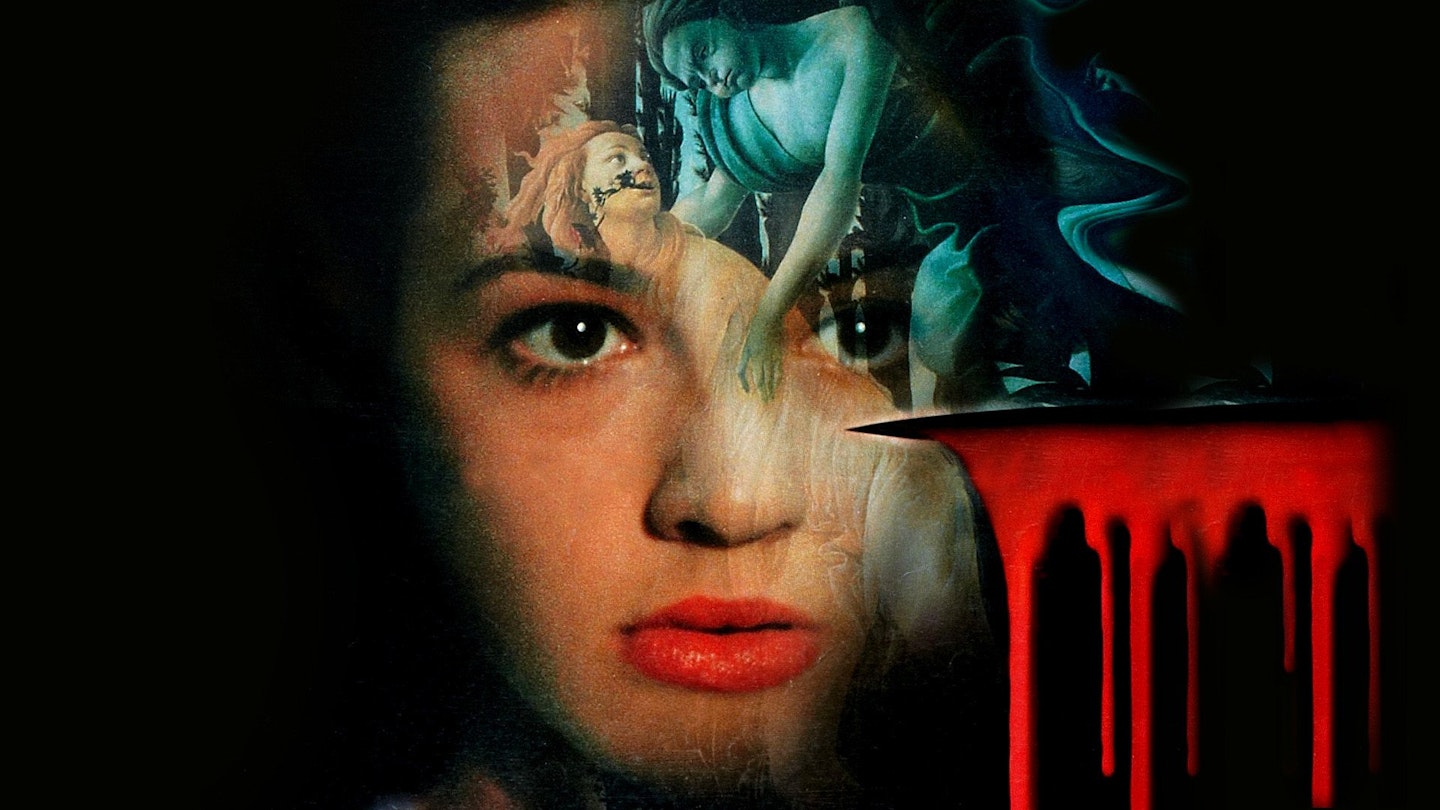
«The Stendhal Syndrome» (1996)


A decent thriller, which lacks the magic of «Profondo Rosso» and «Suspiria»


From his birth Dario Argento ate, slept and breathed cinema. He started out as a film critic and when the time was right, he made his first film («The Bird With The Crystal Plumage»). His father (famous producer Salvatore Argento) produced the debut motion picture, and its success launched Dario’s career. Asia Argento started out as an extra in the films of Dario’s friends and when the time was right she took leading roles in her father’s pictures. What can we say about their second joint picture («The Stendhal Syndrome»)?

 Detective Anna Mani travels to Florence in order to get the leads on whereabouts of a notorious serial killer and rapist. While visiting the Uffizi Gallery she is overwhelmed by a painting and passes out. The killer uses it and subjects Anna to a bizarre psychosexual torture and, strangely, doesn’t kill her. Traumatized Anna is granted medical leave, but she gains the upper hand when the maniac strikes again. The murderer is presumed dead, nevertheless the killing spree continues. Who is the new culprit?


The art projects, among other things, the fears, desires and impulses, including the darkest, of the author. The spectator often projects his own experiences on the viewed art object and, from time to time, he becomes really overwhelmed by it. One of the most extreme viewer’s conditions is called the Stendhal syndrome (when the person can even faint or hallucinate when exposed to artwork). In addition, certain serial killers saw themselves as artists and their «art» inspired new murderers.

 As in his earlier films, Dario Argents explores the theme of repressed victim’s memories, which are triggered by traumatic experience. Still, he leaves a lot of question marks. Was Anna abused as a child? Did Anna run away from her hometown or she just wanted to start the police career in a bigger city. The answer is up to the viewers’ projections. Anna’s profession leads to another interesting point.


 Police work, generally, is considered masculine and the female police officers are often seen as males with long hair (to pit it mildly). In the beginning of the film, Anna looks like as a stereotypical defenseless girl and the colleagues treat her as a little sister. After the traumatic event she tries to project aggressive masculinity, but it doesn’t bring the desired result. So, she assumes the personality of a blonde to full the authorities, romantic interests and future attackers.

 Still, the main question is – was the Director able to fully execute this interesting material? The answer is both yes and no. Asia Argento convincingly portrayed a tormented woman, the maniac will give violent chills to the viewer and the plot will surprise with few interesting turns. Nevertheless, the film lacks the flare and magic of earlier Dario Argento’s art. It doesn’t fully captivate the viewer; it doesn’t have memorable music; it doesn’t play sophisticated games with a viewer’s mind, and it doesn’t provide you with some truly memorable scenes.


Summarizing, «The Stendhal Syndrome» is a decent, but not so memorable thriller. If you want to see the real Dario Argento, then watch «Profondo Rosso».

Thursday, October 24, 2024

«Edith and Marcel» (1983)

Tonight all France is boxing/singing with you

Two symbols of France – Marcel Cerdan and Edith Piaf, - started to make their name in history on the eve of the Second World War. Then, in 1948 they met in New York City and started their ill-fated romance (if you quote Hymne à l'amour «nous aurons pour nous l'éternité...»). Nevertheless, the film was panned by the critics. I don’t understand why.

«Edith and Marcel» captures the spirit of that age and the sweet melancholy of Piaf’s song. They are two completely different people – capricious bohemian Edith and silent fighter Marcel, - but their ride is filled with joy and immature silliness. Nevertheless, we all know what will happen on the 28th of October 1949.

Still, the film is not biographical, like «Le Bon et les Méchants», it is more a fantasy trip on the basis of real events. The film is filled with the symbols of that age, including «Gone with the Wind» and love letters between persons separated by long distance. To add a little touch of how ordinary people invent their phantasy life, Claude Lelouch supplements the parallel line of love story between POW Jacques Bonhomme and aristocratic Margot de Villedieu.

Summarizing, «Edith and Marcel» is long and engaging voyage. I could say only one thing - don’t hesitate to take that voyage with Edith and Marcel.